Lale Sokolov
The Tattooist of AuschwitzLale Sokolov, born Ludwig Eisenberg on October 28, 1916, in Krompachy, Slovakia, is the central figure of The Tattooist of Auschwitz. A young Slovak Jew of twenty-five, he is transported to Auschwitz on April 23, 1942, and tattooed with the number 32407. His journey from a hopeful, well-dressed young man to the camp's Tätowierer, and finally to a survivor who builds a new life, forms the core of a narrative that explores the extremes of human cruelty and the resilience of love. His story, told to author Heather Morris over three years, is a testament to his belief that survival itself is a form of resistance, and his life is marked by a profound, lifelong devotion to Gita Furman, the woman he meets and loves within the camp's walls.
Identity and Background
Lale Sokolov was born Ludwig Eisenberg, a name he would later change to Sokolov, the Russian last name of his married sister, a name more readily accepted than Eisenberg in Soviet-controlled Slovakia. He came from a family with a mother, a father, a brother, and a sister, and he was raised in Krompachy. Before the war, he was a man who dressed to impress, wearing a pressed suit, clean white shirt, and tie, a habit that marked him as different from the other men on the cattle train to Auschwitz. This appearance led to accusations of hailing from the upper class, with abusive remarks muttered at him, such as "Now look where it's gotten you." Despite this, he maintained a calm demeanor, trying to turn the fear of his fellow prisoners into hope with words of encouragement, even as he admitted to himself, "I'm as scared as everyone else." His identity was further shaped by his role as a survivor, a declaration he made to Pepan, the camp's previous tattooist, who warned him that his charm and easy smile could get him into trouble. Lale's response was a firm, repeated assertion: "I'm a survivor."
Arrival and Transformation at Auschwitz
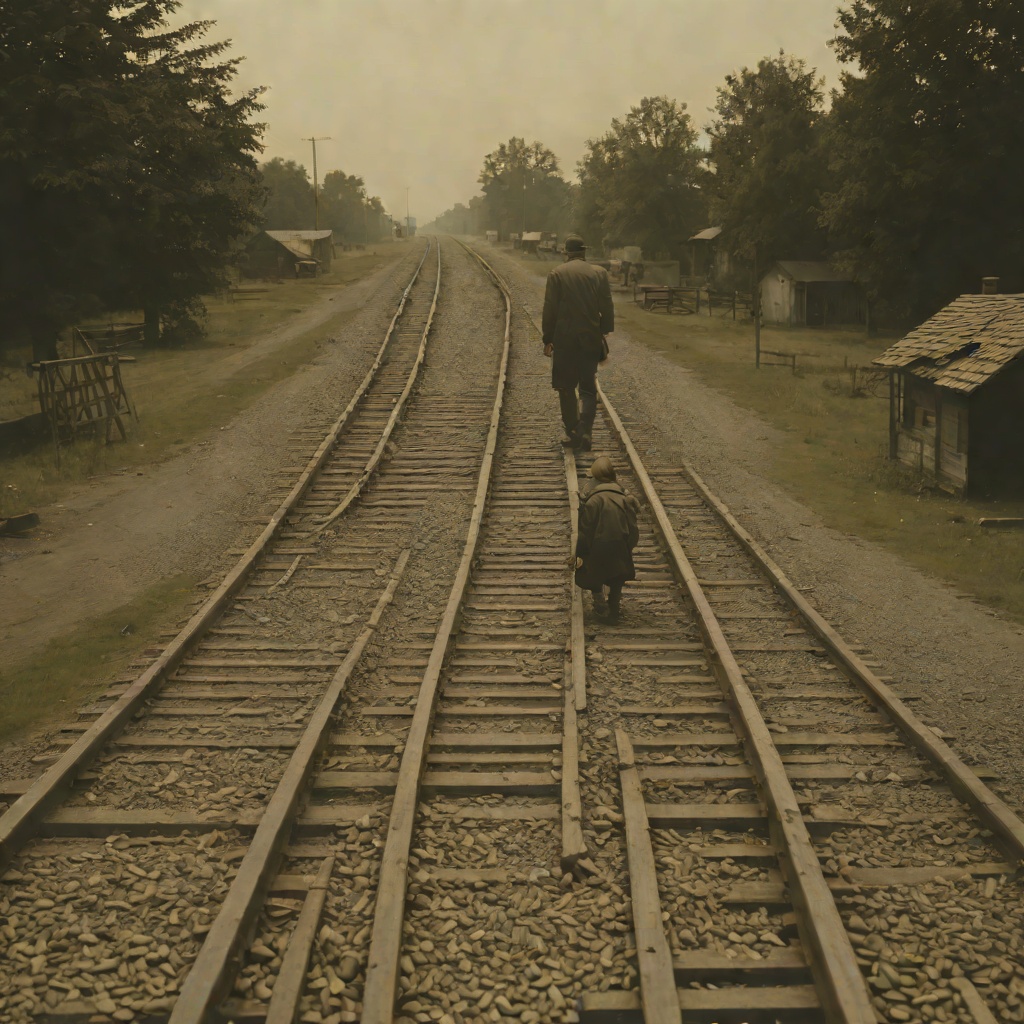
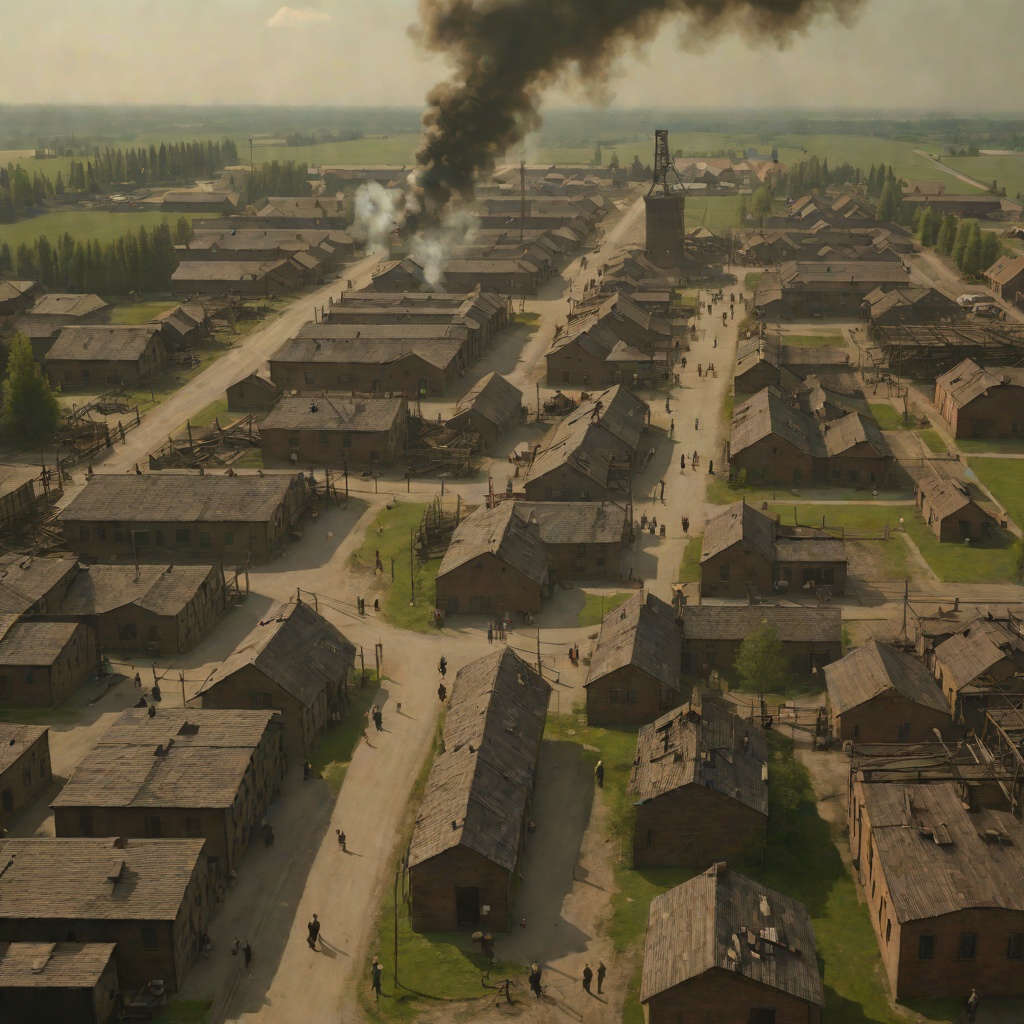
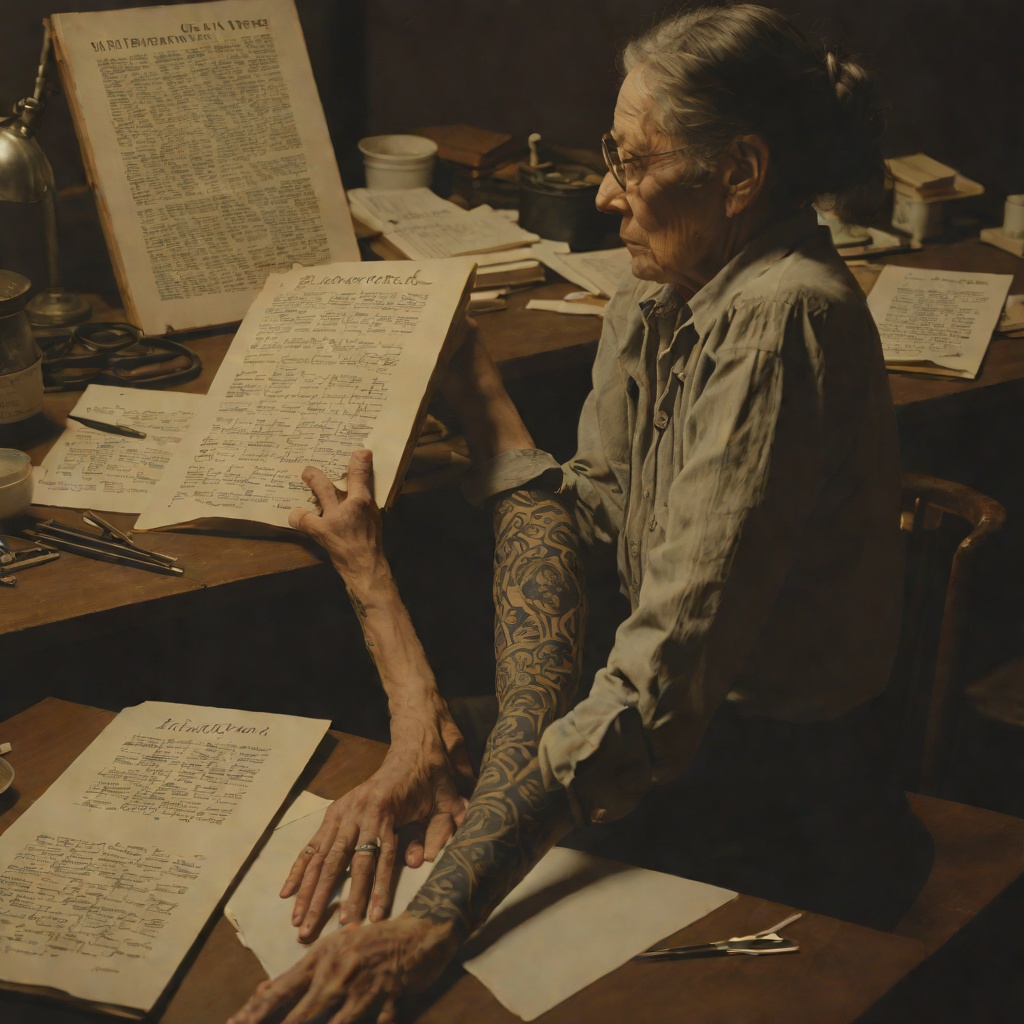
Lale's arrival at Auschwitz was a brutal process of dehumanization. He was processed, given a piece of paper with the number 32407, and then had that number stabbed into his left forearm with a piece of wood with a needle embedded in it. The shock of the tattooing made time stand still for him, and he wondered if he would be defined by this irregular number for the rest of his life. He was then forced to shower in cold water, given old Russian army uniforms and boots, and had his head shaved to stubble. Throughout this ordeal, he maintained his composure, sitting with his back straight and his head held high as SS officers assaulted the naked prisoners with their weapons. He trudged through the mud to the camp, determined not to fall, knowing that those who fell were beaten or shot. This transformation from a man in a pressed suit to a numbered prisoner was the first step in his new life, one where his physical and mental strength would be tested to its limits.
The Tätowierer and the Black Market
Lale's survival in Auschwitz was secured through his role as the Tätowierer, the camp tattooist, a position he took over from Pepan. This role gave him a degree of privilege and access, which he used to build a black-market smuggling operation. He traded goods, including chocolate and other valuables, to obtain necessities and favors, often risking his own life to help others. His position also brought him into contact with the SS, including Oberscharführer Houstek and Josef Mengele, and he navigated these dangerous relationships with a combination of charm and cunning. His work as a tattooist was a source of deep moral conflict, as he was participating in the destruction of his own people. He confided in Gita, saying, "I have been given the choice of participating in the destruction of our people, and I have chosen to do so in order to survive. I can only hope I am not one day judged a perpetrator or a collaborator." This guilt, the fear of being seen as a Nazi collaborator, would haunt him for more than fifty years.
Love and Relationship with Gita
Lale's life in the camp was transformed by his love for Gita Furman, a Slovak Jewish woman he first met when he tattooed her number, 34902. Their relationship developed through stolen moments and conversations, where they shared their identities and their fears. Lale was captivated by her, telling her, "My beautiful Gita. You've bewitched me. I've fallen in love with you." Gita, initially resistant, was overwhelmed by his declaration, feeling ugly and dirty in her camp state. Their love became a source of strength and defiance, a choice to live and to resist the Nazis' attempts to dehumanize them. Lale's devotion to Gita was absolute; he risked his life to get her penicillin when she was sick, and he endured a brutal beating in Block 11, orchestrated by Jakub, without revealing their connection. When he showed her the welts on his back, she ran her fingers over them softly, and their lovemaking was slow and gentle, a moment of profound intimacy in the midst of horror. He felt tears well up, and he knew this was the deepest love he'd ever felt.
Post-War Life and Legacy
After the war, Lale and Gita were reunited in Bratislava and married in October 1945. Lale changed his name to Sokolov and started a successful business importing fine fabrics, which he sold to manufacturers desperate to rebuild. He and Gita became strong supporters of a movement to establish a Jewish state in Israel, with Gita working quietly to smuggle money out of the country. Their activities were reported to the authorities, and on April 20, 1948, Lale was arrested and charged with "exporting jewelry and other valuables from Czechoslovakia." He was eventually released, and the family emigrated, eventually settling in Australia. Lale's later life was marked by the lingering effects of his trauma. He had a heightened survival instinct and a lack of emotion, unable to weep even when his sister passed away, until Gita's death, which was the first time his son Gary had ever seen him cry. He was determined that his son should know what he and Gita went through, making him watch the TV series The World at War, and he eventually told his story to Heather Morris, driven by his need to join Gita and his desire to record his experiences so that "it would never happen again." His story, as told by Morris, is a unique lesson in humanity, a testament to the power of love and the will to survive.